Why Most Corporate Team-Building Events Fail (And What Actually Builds Strong Teams)
After 19 years of working closely with corporate teams and leadership, I’ve seen team building done well… and I’ve seen it done badly.
At its best, team building can strengthen communication, deepen trust, and create meaningful shifts in how people work together. At its worst, it becomes little more than a social outing with a corporate label attached to it.
Many organisations invest time and money into team-building events with the genuine intention of strengthening their teams. The event is organised, the team is taken out for the day, photos are shared, and for a short time morale improves.
But very often that’s where the impact ends.
By Monday morning, the same communication challenges remain. The same tensions between colleagues continue to exist. The same leadership frustrations resurface.
If team-building events were truly effective, most organisations wouldn’t be repeating the same communication and culture challenges year after year.
Too many team-building activities are designed to entertain employees for a day rather than develop them for the long term.
Why Many Corporate Team-Building Events Fail
In many organisations, team building becomes a tick-box exercise. Leadership wants to show that they are investing in their people, so an event is organised with good intentions but very little structure around learning or development.
The focus often shifts toward entertainment rather than meaningful growth.
While there is nothing wrong with teams enjoying time together, enjoyment alone rarely leads to improved communication, stronger collaboration, or better leadership dynamics.
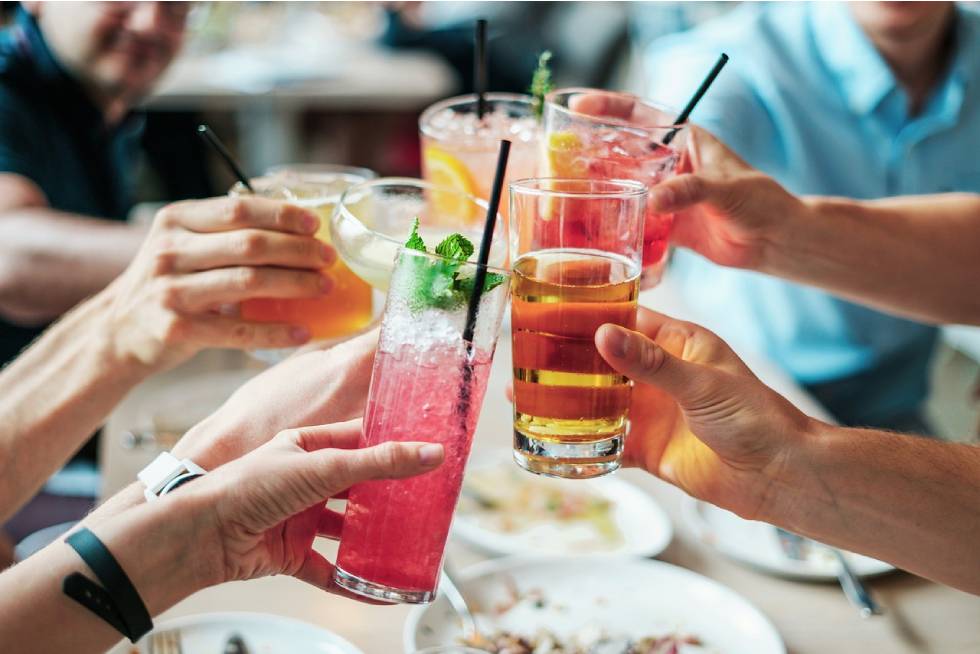
Another challenge arises when alcohol becomes the central feature of the event.
Alcohol lowers inhibitions, which can change the tone of the environment very quickly. Someone almost always drinks too much and becomes the story everyone talks about on Monday morning.
In other situations, quieter team members, emboldened by a few drinks, may choose that moment to raise deeply personal or emotionally charged concerns with senior leaders. While honest conversations are important in organisations, these discussions rarely unfold constructively in informal social settings.
Instead of strengthening relationships, these moments can create discomfort, awkwardness, and sometimes unintended professional consequences.
What was intended to build connection can easily weaken trust and blur professional boundaries.
The Hidden Risks of Poorly Designed Team-Building Events
Another dynamic that organisations often underestimate involves workplace diversity.
Modern workplaces bring together people from different cultural backgrounds, perspectives, and lived experiences. This diversity can be a powerful strength for organisations when inclusion is genuinely practiced and embedded in the culture.
However, when inclusivity is not actively supported within the organisation, social team-building environments can sometimes magnify differences rather than bridge them.
When alcohol is present and inhibitions are lowered, comments or jokes that might normally remain unspoken can surface. In some cases this reveals subtle or covert forms of bias that create discomfort for others in the room.
What was meant to build unity can unintentionally expose underlying tensions that the organisation has not yet addressed.
These situations rarely strengthen team relationships. Instead, they can quietly erode trust and make individuals feel less psychologically safe within the workplace.
This is why team development needs to be thoughtfully designed and professionally facilitated.
What Effective Team Building Should Actually Do
True team building should create value that continues long after the event itself.
A well-designed team experience should strengthen communication, build trust, and equip people with practical tools that improve how they work together every day.
For me, effective team building should always include take-home value:
- Practical skills that transfer directly back into the workplace
- Activities that strengthen communication, trust, and collaboration
- Opportunities for reflection and greater self-awareness
- Experiences that leave people more capable on Monday than they were on Friday
The most powerful team experiences are rarely the loudest or the most entertaining. They are the ones that challenge people to think differently, communicate more openly, and understand one another more deeply.
When people learn together, solve problems together, and develop new insights together, real team cohesion begins to form.
Development Builds Strong Teams — Entertainment Doesn’t
Connection inside teams does not come from forced fun or blurred professional boundaries.
It comes from shared challenge.
It comes from psychological safety.
It comes from learning together.
When organisations invest time and money into their people, that investment should lead to meaningful development — not just temporary entertainment.
A well-designed team-building experience strengthens the culture of the organisation and equips people to work together more effectively long after the event has ended.
Team building should change how people work together — not just give them something to talk about on Monday morning.
